
When Should Children Start Piano Lessons?
Most children are ready to start piano lessons between the ages of 5 and 7. At this age, kids typically have the finger strength, attention span, and letter/number recognition needed to begin reading music and playing simple songs. That said, readiness depends more on your individual child than on a strict age cutoff — some children thrive starting at 4, while others do better waiting until 7 or 8.
If you're a parent in Medford or Danvers, MA searching for the "right" time to start your child on piano, here's what actually matters — plus how to know if your child is ready today.
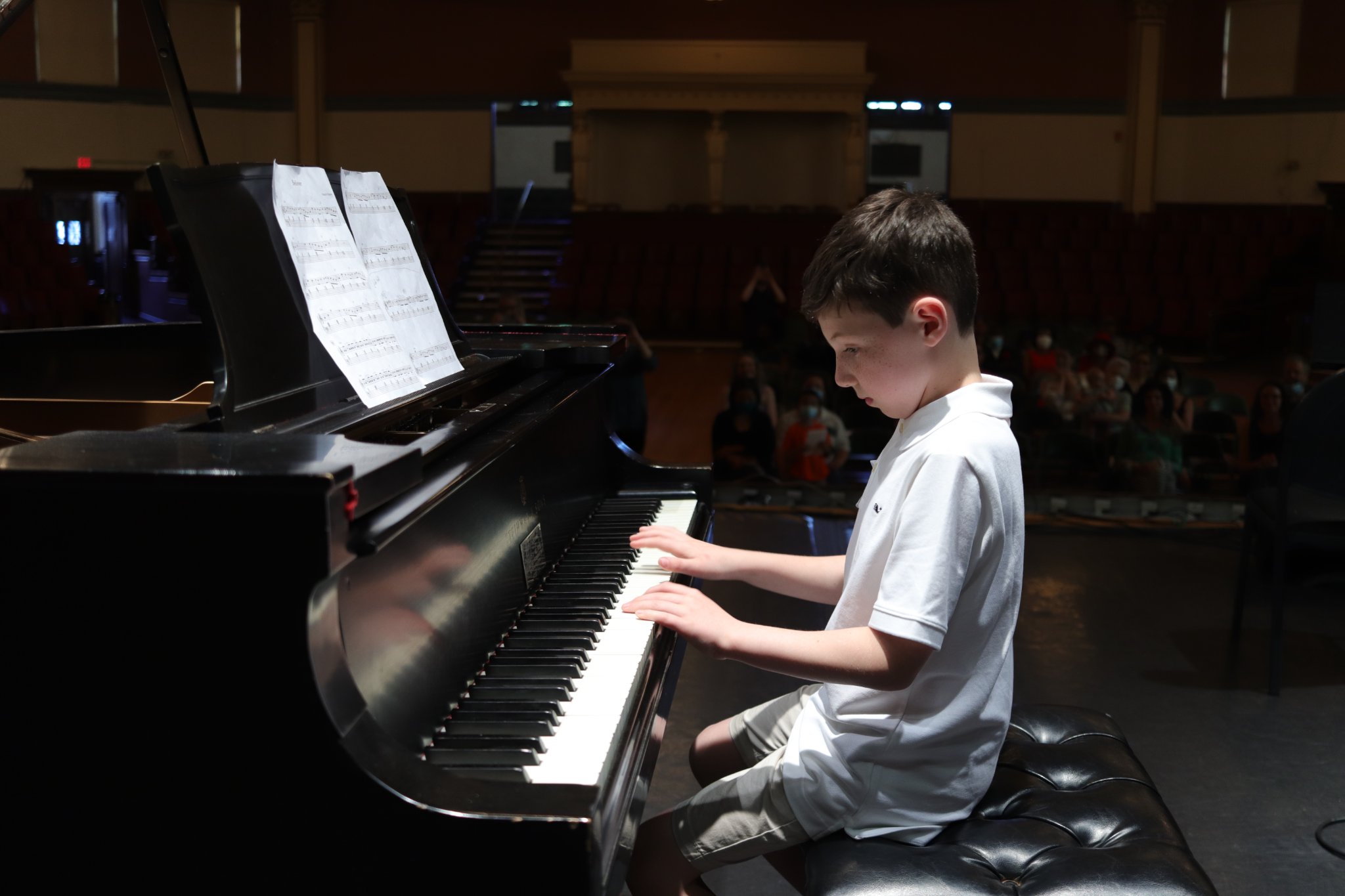
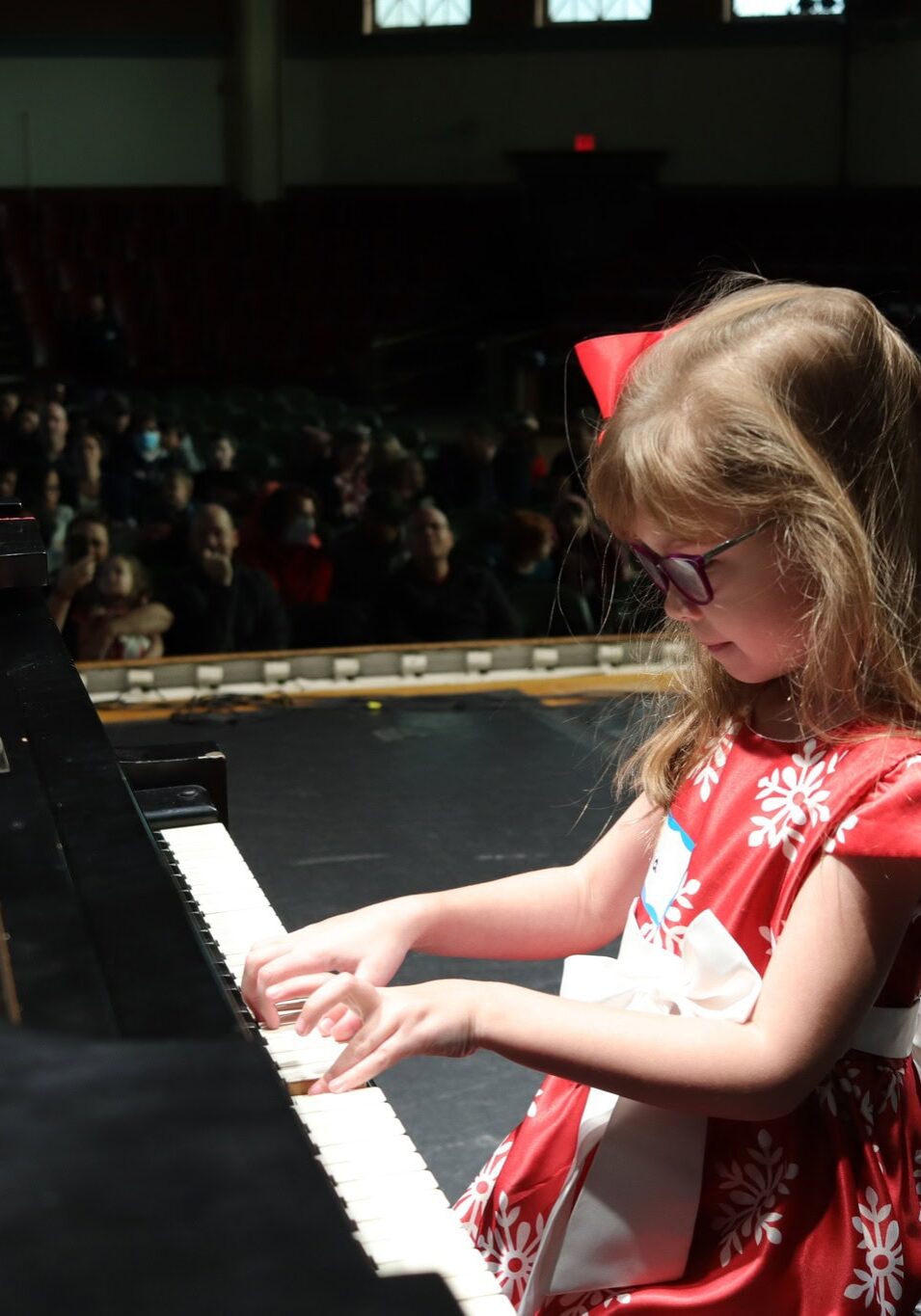
Why Age 5–7 Is the Sweet Spot
Piano is one of the most popular first instruments for kids, and for good reason. Unlike instruments that require breath control (like flute) or awkward hand positioning (like violin), piano keys are laid out visually and logically — making it easier for young beginners to see the connection between what they play and what they hear.
By age 5, most children can:
- Sit and focus for 20–30 minutes at a time
- Recognize letters and numbers (helpful for reading notes and counting rhythm)
- Follow multi-step directions
- Use their fingers independently with enough dexterity to press individual keys
These are the building blocks of early piano instruction — not perfection, just enough foundation for a patient, kid-focused teacher to work with.
Signs Your Child Might Be Ready
Age is a helpful guideline, but readiness shows up in behavior. Consider starting lessons if your child:
- Shows curiosity about music, instruments, or a piano/keyboard at home
- Can sit through a short activity (like a book or puzzle) without losing focus
- Enjoys singing, clapping rhythms, or moving to music
- Asks to play the piano when they see one
- Can follow simple two-step instructions ("touch this key, then that one")
You don't need all five signs to get started — even one or two, paired with genuine interest, is often enough for a first lesson.
What If My Child Is Younger or Older?
Younger than 5: Some children as young as 4 are ready, especially if they have older siblings who play or a lot of exposure to music at home. Many families in this situation start with a more playful, movement-based introduction to keys and rhythm before formal note-reading begins.
Older than 7: There's no upper limit — plenty of students start piano at 8, 10, or as teenagers and progress quickly because they already have stronger focus and coordination. Starting "late" is rarely a disadvantage.
Adults: It's also worth noting that piano is one of the most common instruments adults return to or pick up for the first time. If you're an adult reading this while researching lessons for your child, you're not too late for yourself either — LB Music School's Medford location in particular has seen a steady rise in adult piano students over the past year.
What to Expect in Your Child's First Piano Lessons
At LB Music School, we teach piano lessons in Medford and Danvers to children ages 5 and up, and our first few lessons are designed to build comfort and confidence, not pressure. Early lessons typically focus on:
- Getting comfortable at the keyboard and learning proper hand position
- Simple songs by ear or with big, easy-to-read notation
- Basic rhythm and counting through games and repetition
- Building a habit of short, consistent practice at home
Because every student is paired with a teacher suited to their personality and learning style, a shy 5-year-old and an outgoing 7-year-old won't necessarily have the same first lesson — and that's by design.
Frequently Asked Questions:
No. Five is actually one of the most common starting ages for piano. As long as your child can sit for a short lesson and follow simple directions, they're likely ready to begin.